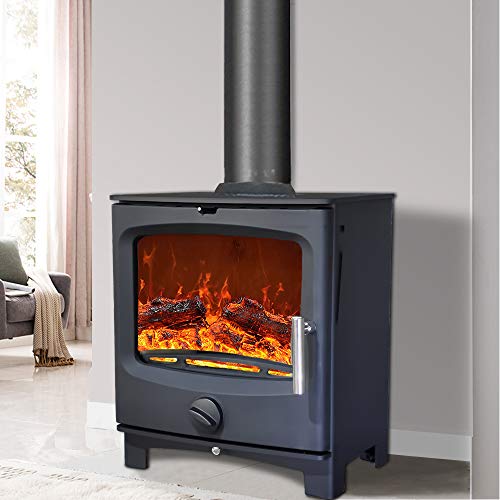
The Multifuel Stove: An Efficient and Versatile Heating Solution
In an era where energy effectiveness and sustainability are paramount, lots of families are turning to multifuel stoves as an alternative heating solution. These versatile appliances can accommodate different fuel types, including wood, coal, and biomass, making them a popular option for homeowners seeking to decrease their ecological effect while saving money on energy costs. This article digs into the features, advantages, installation considerations, and maintenance of multifuel stoves, providing an extensive overview for potential users.
What is a Multifuel Stove?
A multifuel stove is a heating device developed to burn more than one type of fuel. While standard wood stoves focus entirely on burning fire wood, multifuel stoves provide the versatility to utilize different fuel sources without sacrificing effectiveness or effectiveness. Mixed Fuel Stove are geared up with robust components that enable them to deal with the varying combustion characteristics of alternative fuels.
Key Features of Multifuel Stoves
When thinking about a multifuel stove, look for the following key functions:
| Feature | Description |
|---|---|
| Material | Made from high-quality steel or cast iron for resilience and heat retention. |
| Fuel Options | Capable of burning wood, coal, peat, and specific kinds of pellets. |
| Performance Rating | High-efficiency designs transform a considerable portion of fuel into functional heat. |
| Air Control System | Adjustable air inlets to regulate the combustion rate, boosting efficiency. |
| Size Diversity | Available in numerous sizes to fit different areas, from small spaces to larger locations. |
Benefits of Using a Multifuel Stove
Multifuel stoves offer many benefits, making them an appealing option for homeowners:
- Versatility: Users can select from various fuel types based on accessibility and cost, developing chances for cost savings.
- Cost-efficient: Multifuel stoves can produce significant savings on heating costs, especially in locations where wood or coal is more budget friendly than gas or electricity.
- Sustainability: Burning renewable fuels like wood and biomass minimizes carbon footprints, appealing to ecologically conscious consumers.
- Boosted Heat Output: Many multifuel stoves provide significant heating abilities, guaranteeing homes stay warm even throughout severe winter season conditions.
- Self-reliance from the Grid: Users can count on their stoves in emergencies or in areas where traditional heating sources may not be accessible.
Common Fuel Types Used with Multifuel Stoves
The following fuels are frequently utilized in multifuel stoves:
- Wood: The most popular alternative, providing a traditional ambiance and warmth.
- Coal: Offers a longer burn time and more intense heat but might require extra maintenance.
- Peat: A sustainable choice, especially in regions where it is readily offered.
- Pellets: Made from compressed sawdust, pellets provide high energy efficiency and ease of handling.
Setup Considerations
Installing a multifuel stove involves a number of essential considerations to ensure safety and performance:
Steps for Proper Installation
- Select a Location: Choose an ideal area that makes the most of heat circulation and meets clearance requirements.
- Chimney Requirements: Confirm that your home's chimney system can accommodate a multifuel stove. A devoted flue might be required.
- Professional Installation: Engage a certified installer to adhere to local building regulations and safety policies. Correct setup considerably decreases dangers of fire and carbon monoxide gas poisoning.
- Hearth Construction: It is crucial to construct a non-combustible hearth to protect floor covering from heat damage.
Security Precautions
- Guarantee sufficient ventilation in the room to avoid the buildup of damaging gases.
- Routinely examine and clean up the chimney to get rid of clogs that could cause harmful scenarios.
- Have a working carbon monoxide detector close by as a vital security step.
Upkeep of Multifuel Stoves
Routine upkeep is crucial to the longevity and efficiency of a multifuel stove. Here are necessary maintenance jobs:
- Clean the Stove: Regularly eliminate ash and soot from the firebox to make sure optimum air flow.
- Check the Chimney: Schedule annual evaluations to promote proper function and safety.
- Examine the Seals: Ensure door seals are intact to prevent smoke leak and preserve performance.
- Fuel Storage: Store fuels in a dry, protected area to improve burning quality.
Frequently Asked Questions about Multifuel Stoves
1. Can a multifuel stove burn both wood and coal all at once?
While some multifuel stoves can burn numerous fuels together, it's typically recommended to burn one kind of fuel at a time for ideal performance and efficiency.
2. The length of time can I expect my multifuel stove to last?
With appropriate maintenance and care, multifuel stoves can last 10 to 25 years, with higher-quality products normally providing longer lifespans.
3. Are multifuel stoves safe to utilize inside?
Yes, as long as they are effectively installed, well-ventilated, and frequently kept. Constantly follow the producer's security guidelines.
4. What are Multi Fuel Fires of utilizing a multifuel stove?
Some possible drawbacks include the initial expense of setup, the requirement for regular upkeep, and the requirement of adequate fuel storage.
5. Can I install a multifuel stove myself?
It is recommended to look for professional support to ensure all security standards and local policies are satisfied.
Multifuel stoves stand apart as an excellent solution for efficient home heating, providing flexibility and significant cost savings. Their capability to burn different fuel types makes them ideal for regions with various heating requirements and fuel resources. With correct installation and maintenance, a multifuel stove not just functions as a dependable heating source but likewise adds to a greener planet. As energy expenses rise and environmental awareness boosts, adopting a multifuel stove might show to be an important financial investment for lots of homeowners.